Blog
Capitol Technology University Disc Golf Course Companion Application
The Capitol Technology University Disc Golf Course Companion Application was my undergraduate senior project. I designed and built it over two years to help players navigate the university’s course and improve their game using mobile technology.
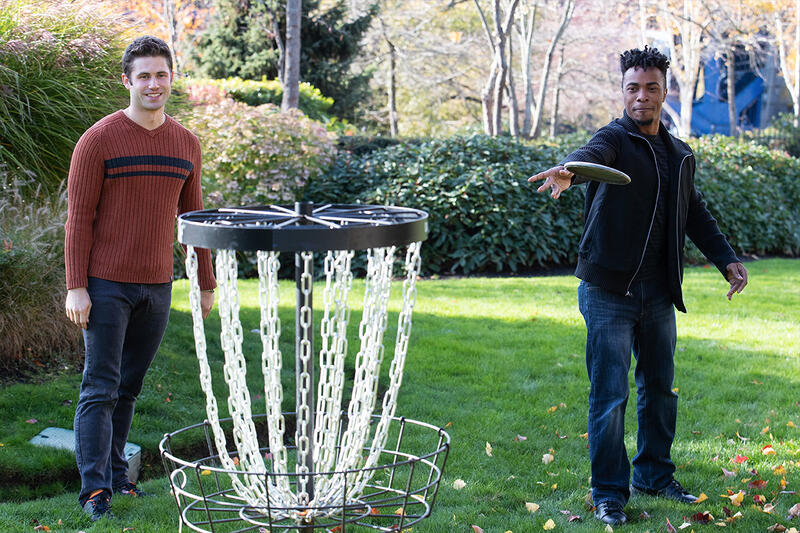
The project became an end-to-end exercise in product development: identifying a need, defining functionality, designing the system, managing implementation through Lean Agile practices, validating the result, and presenting the work publicly.
View the original LinkedIn post
Presentation and demonstration
I presented the project through Capitol Technology University’s webinar series. The session covers the application’s core features, the decisions behind its functionality and interface, and the development goals that shaped the work.
View the webinar on Capitol Technology University’s website
Presentation slides
The supporting presentation documents the product concept, architecture, development approach, and implementation timeline.
System diagrams
The planning and development process produced a complete set of system diagrams:
- High-level use-case diagram
- Entity-relationship diagram
- Context diagram
- Process-flow diagram
- Multiple data-flow diagrams
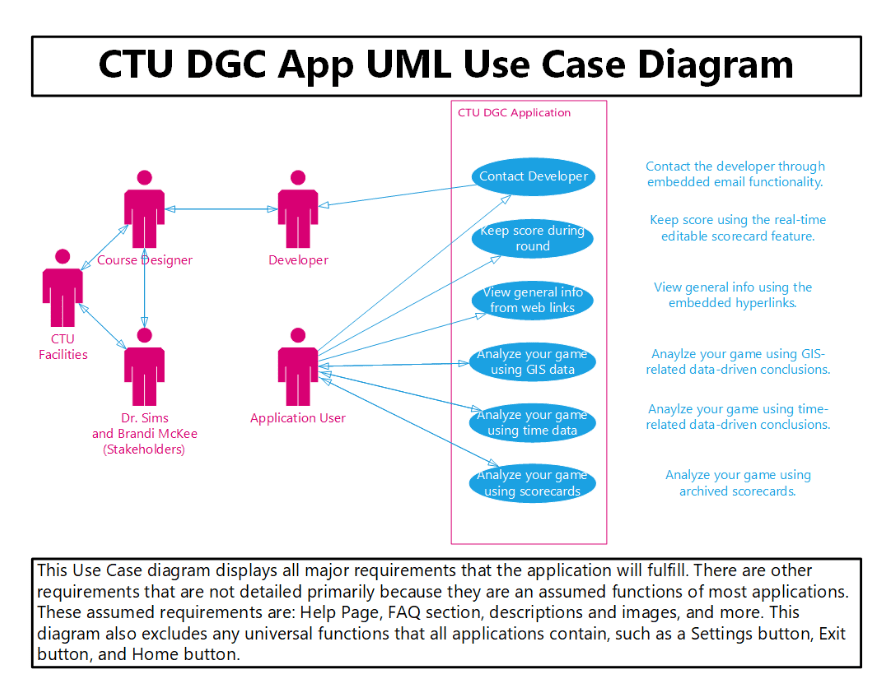
High-level use-case diagram.
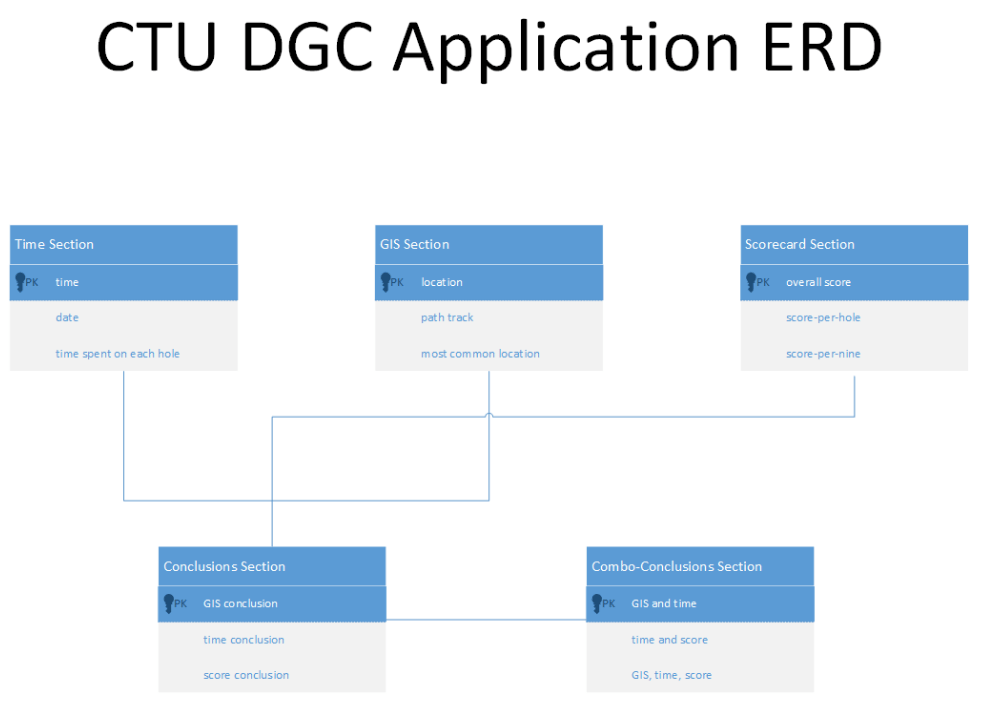
Entity-relationship diagram.
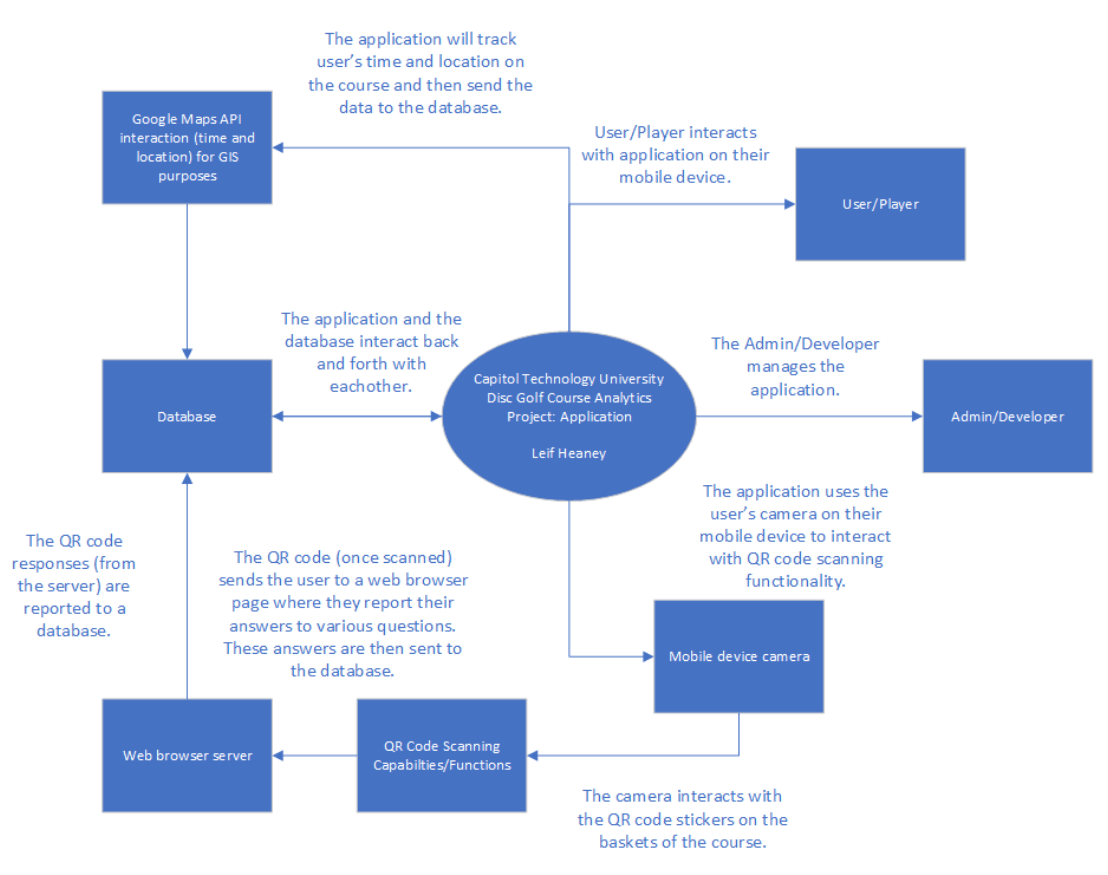
System context diagram.
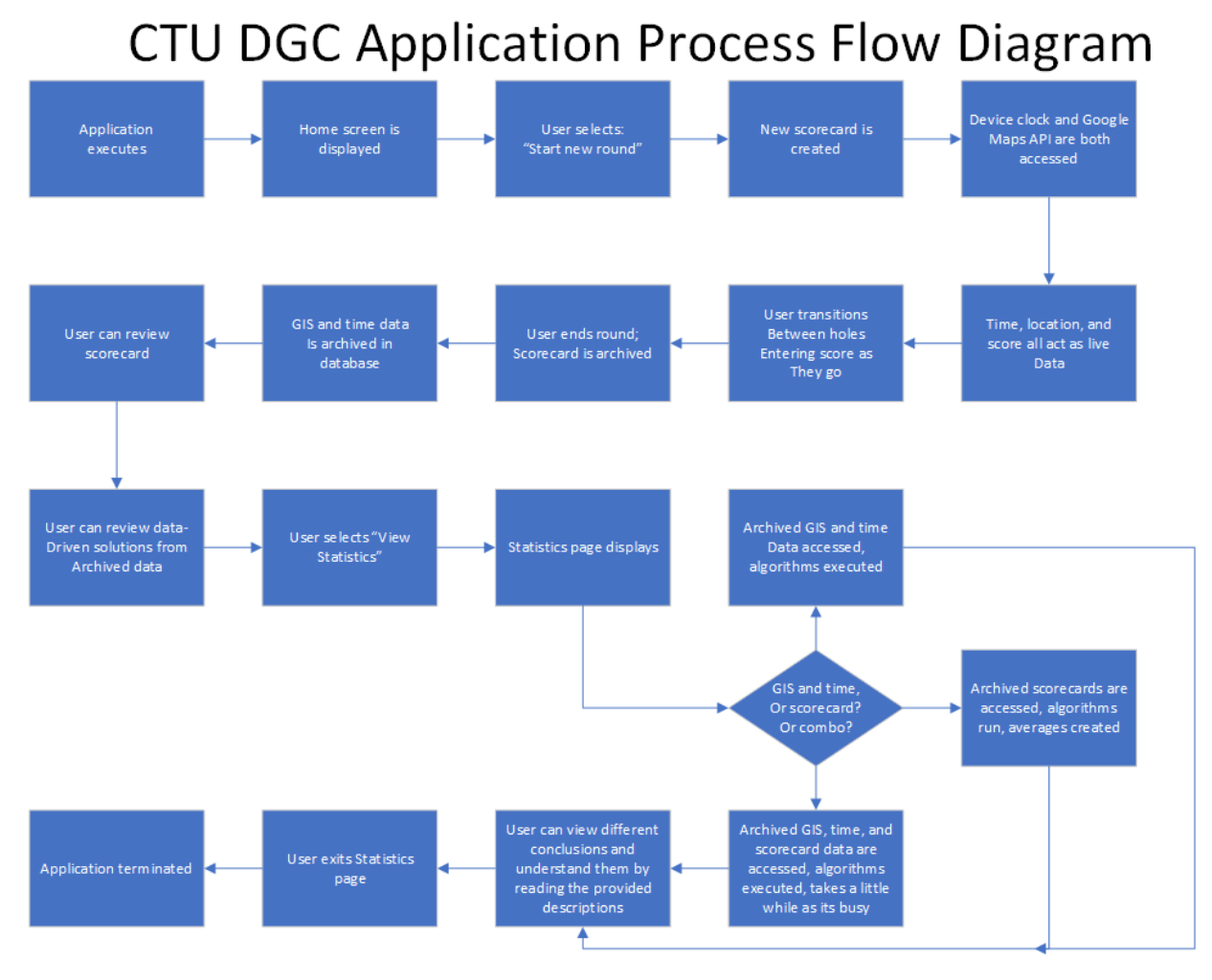
Process-flow diagram.
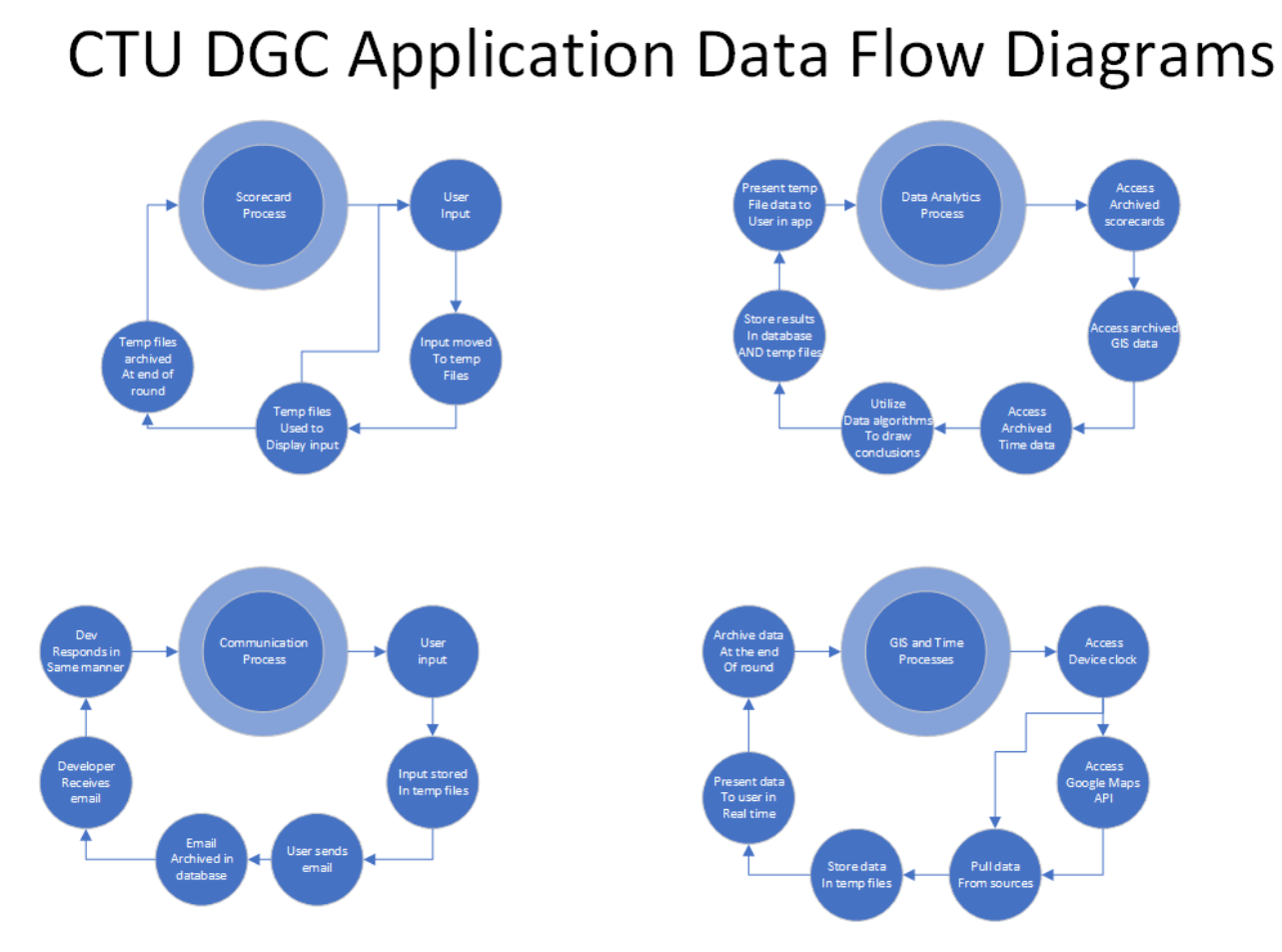
Data-flow diagram.
Lean Agile development approach
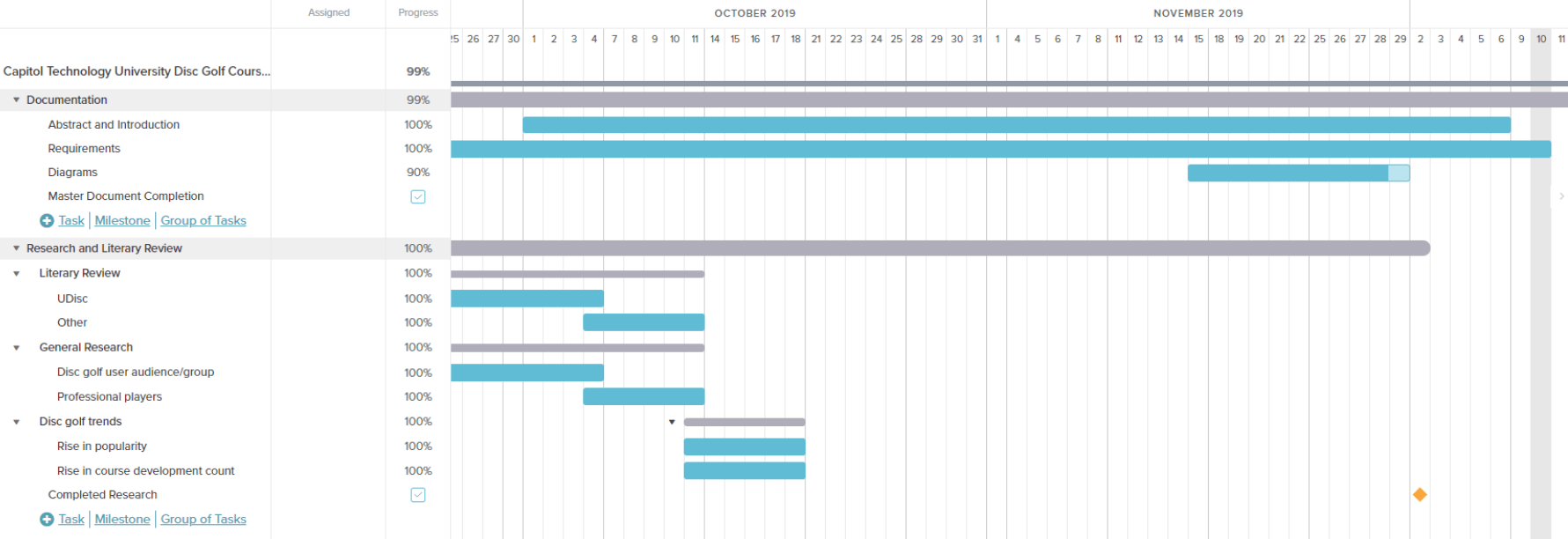
I used Lean Startup principles and an Agile workflow to manage the senior project from planning through release.
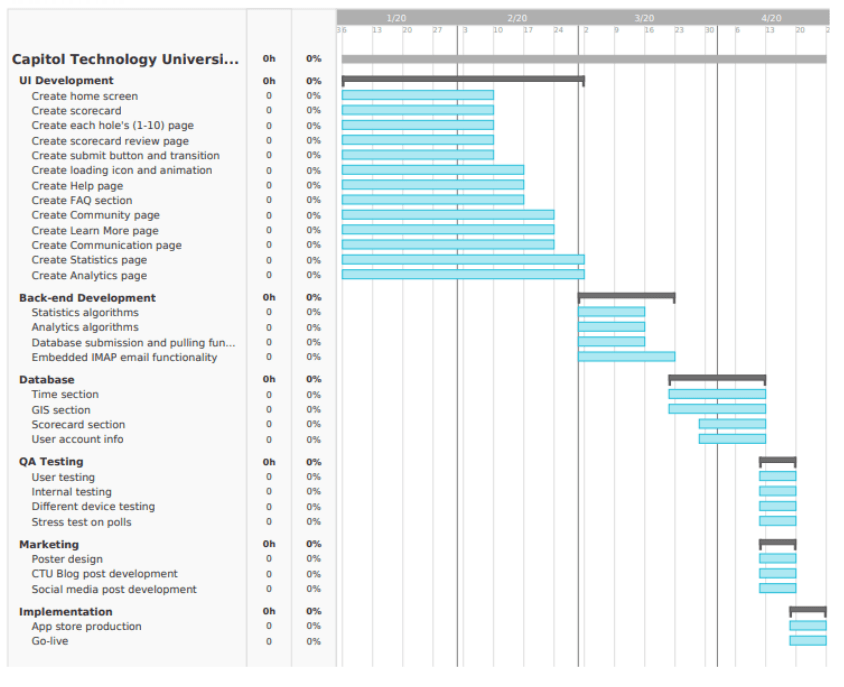
- January and February used longer development sprints, capped at four weeks, to create enough uninterrupted implementation time.
- March and April transitioned into standardized Lean Agile sprints.
- Late April focused on short user-testing and validation cycles.
- Go-to-market implementation and deployment followed immediately after validation.
- Marketing work ran alongside the final release process.
Reflection
This project gave me practical experience with the complete lifecycle of a product rather than a narrow implementation assignment. I had to pitch the idea, define the system, make design and architecture decisions, plan and execute development, respond to testing, prepare a release, and explain the result to a public audience.
That combination of software development, systems thinking, project management, and communication made it one of the most valuable projects from my undergraduate work.