Automation
Work that runs without being watched.
Ingestion pipelines, scheduled jobs, and workflow tooling that collect, enrich, and publish data on their own. The emphasis is on what happens when a run fails: retries, idempotency, observable state, and the difference between a script that works once and a system that keeps working. The lessons below cover the other half of the problem: what automation does to the person expected to supervise it.
Featured work
Pipelines in production.
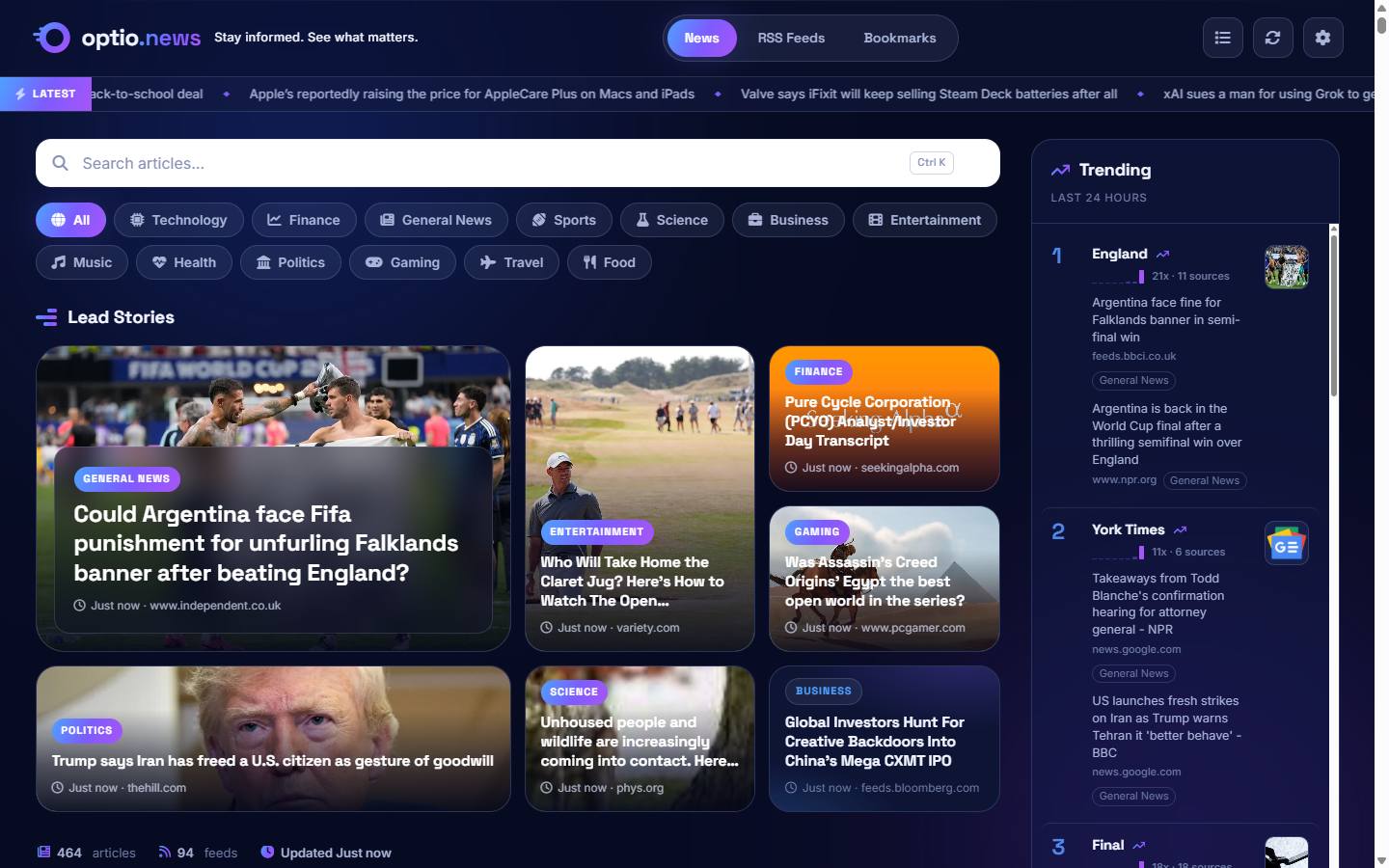
Optio.News
Optio.News turns 94 RSS sources into a fast, image-forward editorial experience with parallel crawling, image enrichment, adaptive cards, and burst-based trend detection.
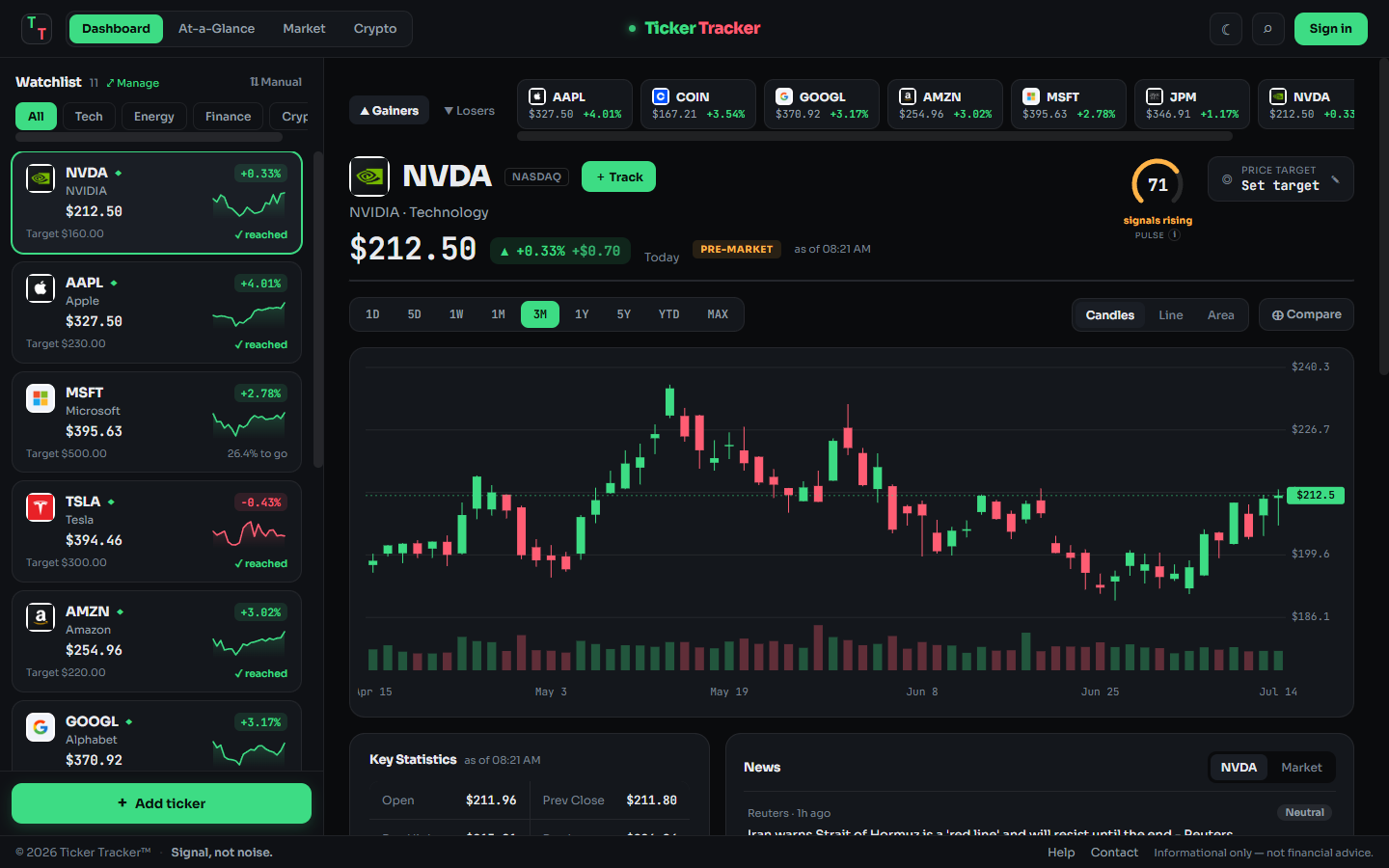
Ticker Tracker
A live financial dashboard engineered to remain useful when its free market-data sources fail, with dual-source failover, validation, caching, and parallel fetching.
Evidence-backed capabilities
What these systems demonstrate.
Free illustrated lessons
Working alongside automation.
Foundations of Human-Automation Interaction
Part 1 of the Human Systems Integration primer: function allocation and the Fitts list, the evidence that reversed it, ten levels of automation, the four-function model, and the ironies of automation.
02Trust, Complacency, and Situation Awareness
Part 2 of the Human Systems Integration primer: Endsley’s three levels, the out-of-the-loop problem, use/misuse/disuse/abuse, calibrated trust, and why training alone does not prevent automation bias.
03AI Teammates: What's Actually New
Part 3 of the Human Systems Integration primer: silent model updates, goal delegation instead of function allocation, failures that sound right, and how many agents one person can oversee.
04History and Future of Autonomous Systems
A special feature spanning both primers: an interactive timeline from Watt’s governor and cybernetics through Shakey, two AI winters, the DARPA challenges, and the transformer to agentic AI.